
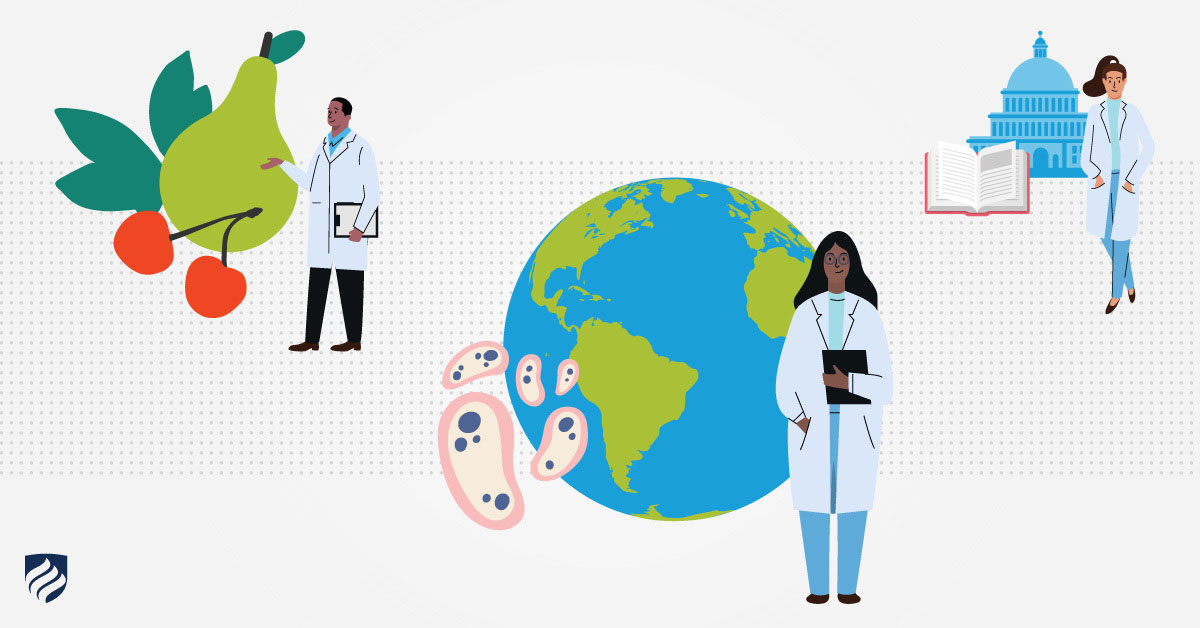
Public health education programs are helping improve awareness of preventive care, nutrition, physical activity, and overall wellness. Healthcare organizations, schools, and community groups are expanding initiatives designed to provide accessible information and encourage healthier lifestyles.
Health experts emphasize that education plays an important role in preventing illness and improving long-term outcomes. Individuals who understand risk factors and healthy behaviors are often better equipped to make informed decisions about their well-being. Public awareness campaigns continue promoting these messages.
Digital tools are expanding access to health information. Mobile applications, online learning platforms, and virtual events allow organizations to reach broader audiences. Technology also enables more personalized guidance and ongoing engagement.
Mental health education has become an increasingly important area of focus. Programs encourage open discussion, reduce stigma, and connect individuals with support resources. Policymakers recognize that emotional well-being contributes significantly to overall health.
Partnerships between healthcare providers, schools, and community organizations help strengthen outreach efforts. Collaborative programs can reach underserved populations and improve access to reliable information. Many initiatives also support preventive healthcare objectives.
Analysts expect public health education to remain a priority in the years ahead. Continued investment in awareness campaigns, technology, and community engagement may improve health outcomes while reducing long-term costs. Better education can empower individuals to adopt healthier habits and contribute to stronger, more resilient communities.