
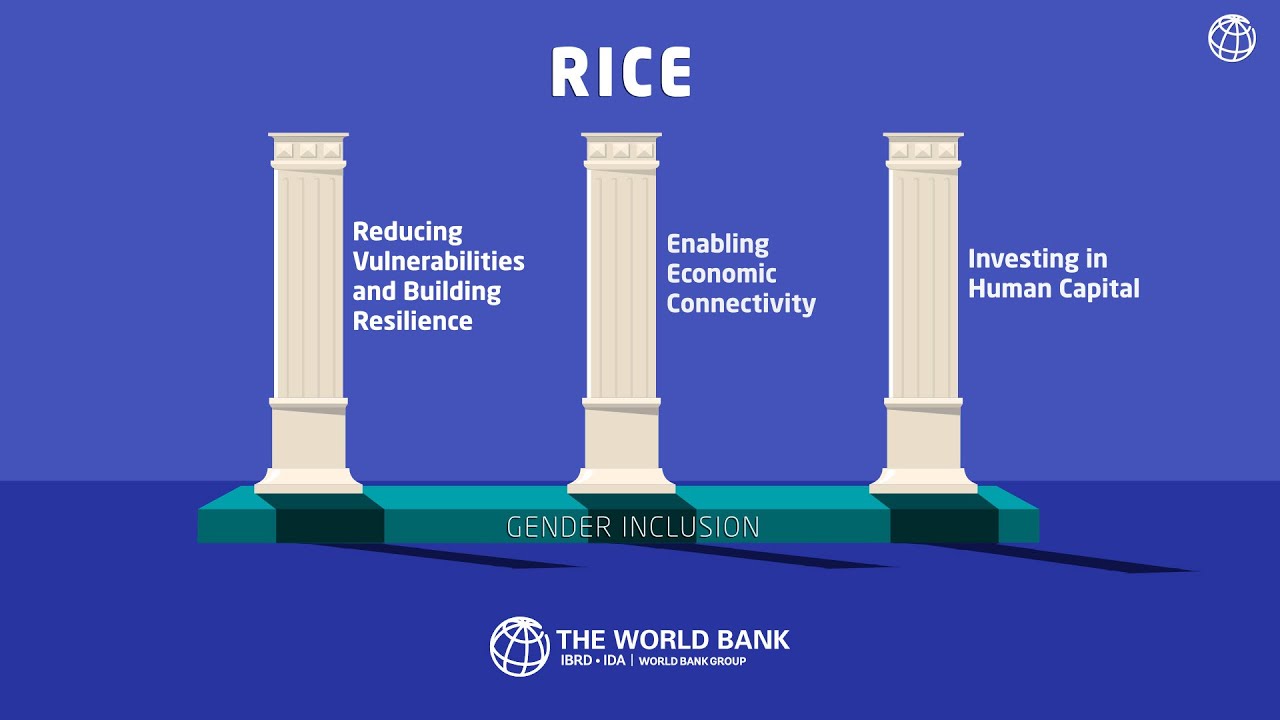
Regional economic cooperation has become a strategic priority for many governments seeking stronger trade relationships and sustainable growth. Policymakers are working together on transportation, investment, technology, and workforce initiatives designed to improve competitiveness and strengthen economic resilience.
Recent agreements have focused on reducing barriers to commerce and encouraging collaboration between businesses. Officials argue that stronger regional partnerships can improve market access while creating opportunities for investment and innovation. Several countries have announced new infrastructure and development programs that support these objectives.
Trade remains a central component of cooperation efforts. Businesses benefit from improved logistics networks, streamlined procedures, and greater access to customers across borders. Economists note that efficient regional markets can increase productivity and support job creation.
Education and workforce development are also receiving attention. Governments are investing in training programs that help workers develop skills relevant to modern industries. Universities and research institutions frequently participate in collaborative projects that encourage knowledge sharing.
Technology policy has become another important topic. Regional initiatives increasingly address cybersecurity, digital commerce, and innovation strategies. Policymakers believe coordinated approaches can improve efficiency and reduce uncertainty for organizations operating across multiple markets.
Analysts expect regional cooperation to remain an important feature of economic policy. Continued collaboration may strengthen trade, encourage investment, and support sustainable development. Effective partnerships can help countries address shared challenges while creating opportunities for businesses and communities throughout participating regions.